Water Extraction in Gresham, OR
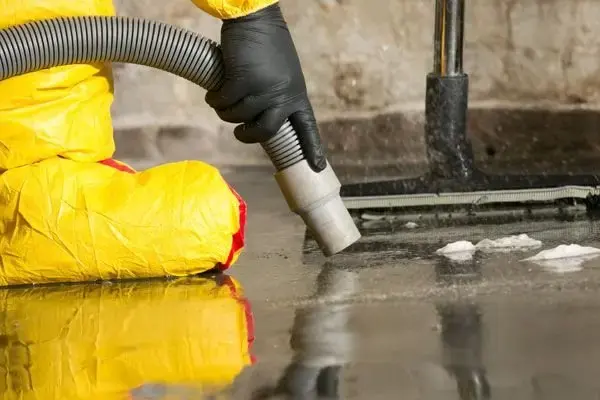
Every hour standing water sits, more of it wicks into drywall, pad and subfloor. The extraction crew pulls it out with truck-mounted equipment so drying can start on a dry surface.
(888) 373-8814Water standing in Gresham? Start the extraction- 24/7 dispatch
- Daily moisture readings
- IICRC S500 standard
- Water category
- Category 1, 2 or 3, set at the walkthrough
- Main equipment
- Truck-mounted units, weighted extraction tools
- What it saves
- Carpet, pad, drywall bottoms, subfloor
- Drying standard
- IICRC S500, verified by readings
First steps for water extraction in Gresham
- 1Stop the source
Close the main shutoff or the fixture valve so the water stops growing.
- 2Kill power to wet rooms
Only at a dry breaker panel; stay out of water near outlets.
- 3Photograph first
Take photos and short videos before anything is moved or thrown out.
- 4Lift what you can
Get rugs, boxes and electronics up and off the wet floor.
How water extraction is handled in Gresham, OR
Extraction before anything else
Every gallon pulled out by the extraction crew is a gallon the dehumidifiers never have to evaporate, which shortens the whole dry-out.
Carpet and pad decisions
Clean-water carpet is often extracted with a weighted tool and dried in place. Pad that soaked up gray or black water comes out.
Hidden water checked
Thermal imaging and pinless meters show where water ran under cabinets, into wall bottoms and down into the crawl space.
What does water extraction and removal cost in Gresham, OR?
In Gresham, OR, water extraction typically runs $300 to $4,500 or more as a stand-alone service. The drivers are the water category, the square footage that is wet, whether carpet and pad are involved and whether water reached the crawl space below.
One room or hallway
- Truck-mounted extraction
- Carpet and hard floors
- Initial moisture map
Several rooms or a full floor
- Weighted carpet extraction
- Pad removal where needed
- Cabinet toe-kick checks
Gray or black water
- Category 2 or 3 protocol
- Porous materials removed
- Antimicrobial treatment
Ranges only, not a quote. The drivers are the water category, the square footage, the material class and how fast drying started. For a planning number, try the water damage cost calculator.
The water extraction process, step by step
- 1
Map the moisture
The tech who does the walkthrough maps the wet area with pinless meters and thermal imaging before any equipment goes down, so the water extraction plan matches what is actually wet.
- 2
Extract and remove
The extraction crew pulls standing water with truck-mounted extraction, then removes only what cannot be dried, such as saturated pad, wet insulation or Category 3 drywall.
- 3
Dry to the goal
The drying team sets air movers and LGR dehumidifiers to the evaporation load of each room, adding desiccants when a cold crawl space or dense material calls for it.
- 4
Verify and document
Equipment comes out when readings land within 2 to 4 points of a dry reference, and the moisture map, daily logs and photos go into the claim file.
Why extraction comes first in a Gresham loss
Most Gresham homes sit over a vented crawl space, so water that stays on the floor does not just sit there. It runs through gaps at the walls, soaks the subfloor and drips onto the vapor barrier below, where the cold, damp winter air slows drying to a crawl. Pulling the water out quickly is the single biggest factor in how much of the floor, trim and drywall can be saved.
A truck-mounted unit stays outside with its hoses run in, so the water leaves the building instead of being pushed from room to room. Portable units handle upstairs apartments around Rockwood and tight spots where a truck cannot park close.
Trade fact: extraction removes far more water than evaporation ever could. Air movers and LGR dehumidifiers only take over once the surface water is gone.
What the extraction crew checks
- Where the water came from, which sets Category 1, 2 or 3 handling.
- How far it traveled under cabinets, flooring and wall bottoms, found with meters and thermal imaging.
- Whether it reached the crawl space or the ceiling of the level below.
- Which materials can be dried in place and which have to come out.
Once the standing water is out, the job moves into structural drying. If the water came up from outside or from a creek, it is handled as flood water, not clean water.
Staying safe until the water is out
Standing water and live outlets do not mix. Shut off power to wet rooms only if the breaker panel itself is dry, and keep children and pets out. Ready.gov flood safety covers the basics, and the EPA indoor air quality pages explain why damp materials need to dry within a day or two.
Water Extraction and Removal across Gresham and nearby towns
The restoration team covers every Gresham ZIP and the surrounding east Multnomah County towns.
The restoration team works across Gresham, Troutdale, Fairview, Wood Village, Boring, Damascus, Happy Valley, Sandy and Corbett, from Johnson Creek to the Columbia.
97030970809723397236
See every neighborhood and town coveredWater Extraction and Removal questions in Gresham, OR
Straight answers about water extraction in Gresham homes and businesses. For water that is still moving, call first and read later.
Call (888) 373-8814Can I use a shop vac instead?
A shop vac helps with a small spill, but it removes only surface water and cannot pull water back out of carpet pad, subfloor or wall bottoms. Truck-mounted extraction removes far more, which cuts drying time.
Does the carpet have to be thrown out?
Not always. Clean-water carpet extracted quickly is often dried in place. Pad that soaked up gray or black water, or carpet that sat wet for days, usually comes out.
How do I know if water got under the floor?
Thermal imaging and pinless meters show wet subfloor and wall bottoms without tearing anything up. In a Gresham home with a crawl space, the tech also checks the vapor barrier below.
Is extraction covered by insurance?
Sudden and accidental water, such as a burst supply line, is commonly covered after the deductible. Rising surface water usually needs flood coverage. Coverage depends on your policy, so it is worth checking with your own insurer.
How long does extraction take?
A single room is often extracted in an hour or two. The drying that follows takes longer, usually three to five days for a contained clean-water loss.
What happens right after extraction?
Air movers and LGR dehumidifiers are set for each room, readings are taken, and the drying team checks progress every day until the materials reach the drying goal.
Water Extraction and Removal in Gresham? Call now.
The longer water sits, the deeper it wicks into drywall, framing and subfloor. The restoration team handles water extraction 24/7 across Gresham and east Multnomah County.